
“Exclusive, not excluding”: The Future of Fashion Show at London Fashion Week
Walk, Walk, Fashion Baby!

London, September 2025 — The Future of Fashion Show returns. Organised by Bullock Inclusion CIC and officially featured in the London Fashion Week calendar. And I was there!
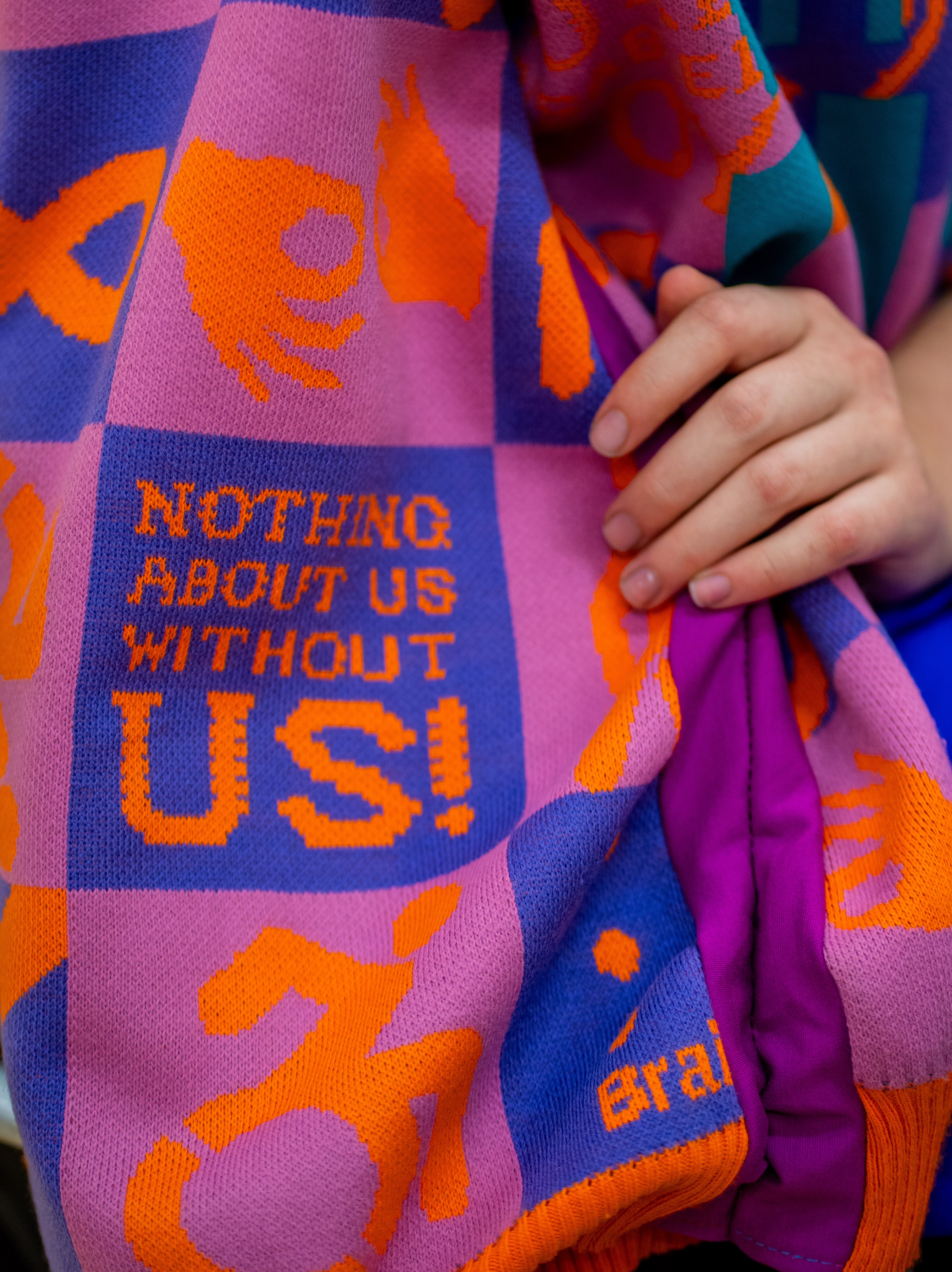
Fashion is a form of self-expression. We can agree on that, right? But it’s common that we have to choose between looking good and being comfortable. There’s room for improvement in that!
“Exclusive, not excluding” were the opening words of panel moderator Rama Gheerawo, director at the Helen Hamlyn Centre for Design, Royal College of Art, founder of INSTILL, and president of EIDD - Design for All Europe.
The panel discussion featured thought leaders in inclusive fashion: Hanan Tantush, Carry Somers, Anne Welsh, and Carolyne Mair. Together, they illuminated what “inclusive” means in the world of fashion, from adaptive wear, size inclusion, responsibility in production chains, sustainability, and the psychology of fashion.
Function and Fashion: Make it desirable
Adaptive fashion is not that much of a groundbreaking concept. Before we had confection sizing, fashion would always adapt to the customer.
Hardware assistive tech often prioritizes function over aesthetics. Which makes sense, because if it looks good but doesn’t do anything (for you), then what’s the point?
I would like to take it even a step further; I want to lean out of all available windows and shout it from any and all rooftops: “Your product has to work as intended". That applies to every product. Digital or physical. Bonus points if it works according to the user’s intent.
But surprise, surprise, disabled people want to be stylish too!
Ever since I started working in assistive tech, most of the opinions I have come across fall into one of two categories:
I don’t care much for looks, as long as it works well.
I want to look put together, not like a cyborg.
But they don’t necessarily come from different people. It’s the unspoken part that many overlook: Function alone won’t lead to user adoption. You need to make it desirable as well.
‘Does My Stigma Look Big in This?’
A reading recommendation on this is: ‘Does My Stigma Look Big in This? Considering the Acceptability and Desirability in the Inclusive Design of Technology Products’ by Jo-Anne Bichard, Pat Langdon and Roger Coleman
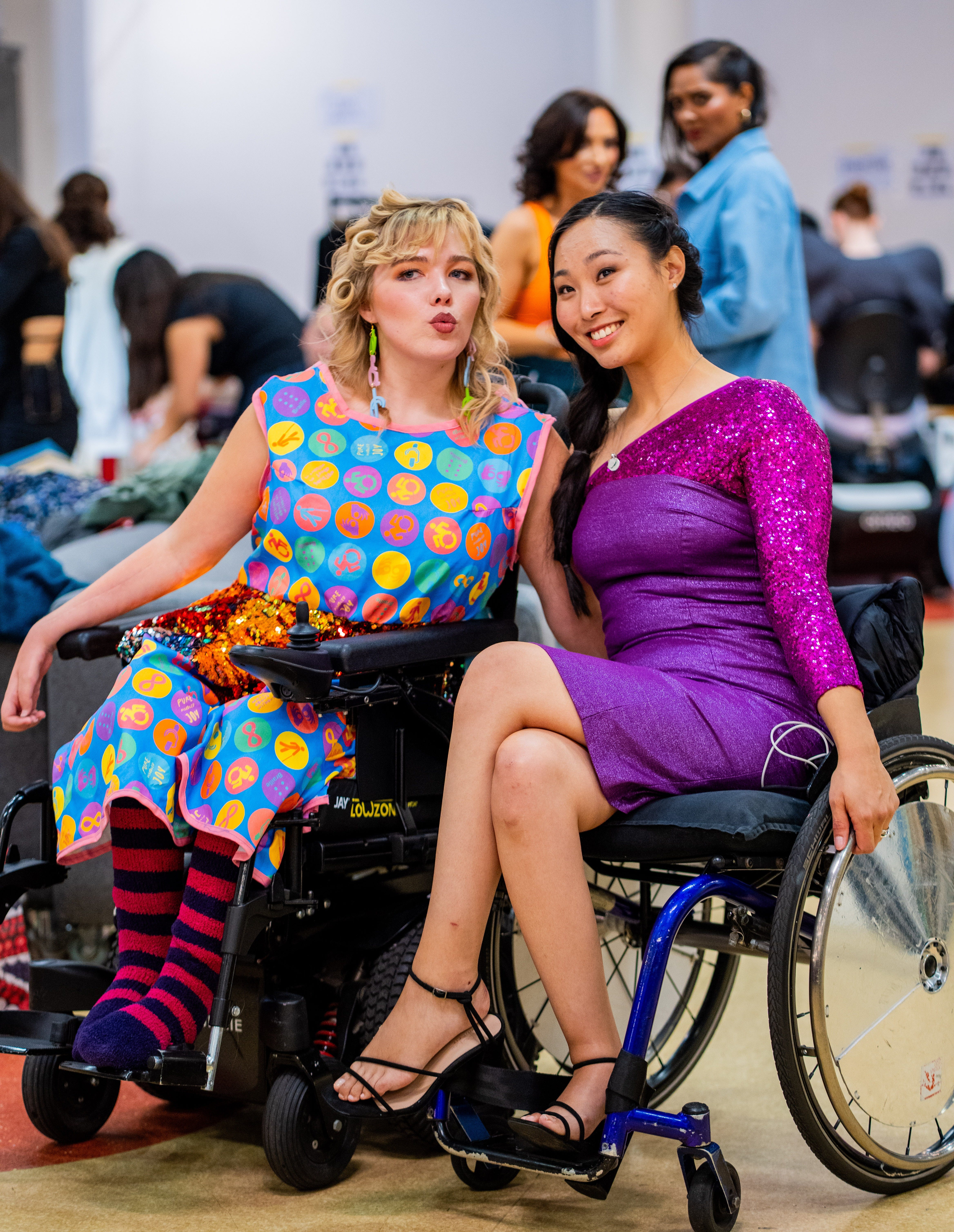
My Impressions: Diversity in practice looks good!
Disability was only one dimension of diversity at the Future of Fashion: The models represented diversity in age, ethnicity, body size, mobility aids, everything. My personal wow moment was seeing a model with alopecia (hair loss) because that is something you don’t really see represented in fashion. Wigs, makeup and various tools usually conceal anything deemed an imperfection.
The atmosphere also impressed me: Oh so often diversity and consequently representation is deemed a budget issue, and to a certain degree it is:
Finding a wheelchair accessible venue takes extra time and effort in explaining your requirements.
Hiring sign language interpreters will generate one more invoice to pay.
Providing free tickets for personal assistance/support workers will leave you with a handful of fewer tickets to sell.
But once you see it done in practice you can’t help but think “Hey, this is how it’s supposed to be.” It just feels right.
The only other time I experienced this feeling of this is how it’s supposed to be, was at the Zero Conference. The Zero stands for Zero Barriers, and oh my do they do their best to live up to that name! But compared to an international conference with high level stakeholders and impressive speakers and attendees all around you, a fashion show is something else. You don’t need to represent a company or a project, you just get to be yourself. You’re encouraged to come as you are, and express yourself through fashion. You get to exist instead of perform. And events like the Future of Fashion Show are what conferences like the Zero Con work towards. Diversity, representation, and participation for everyone as the default.
Designers Are Shaping A New Narrative
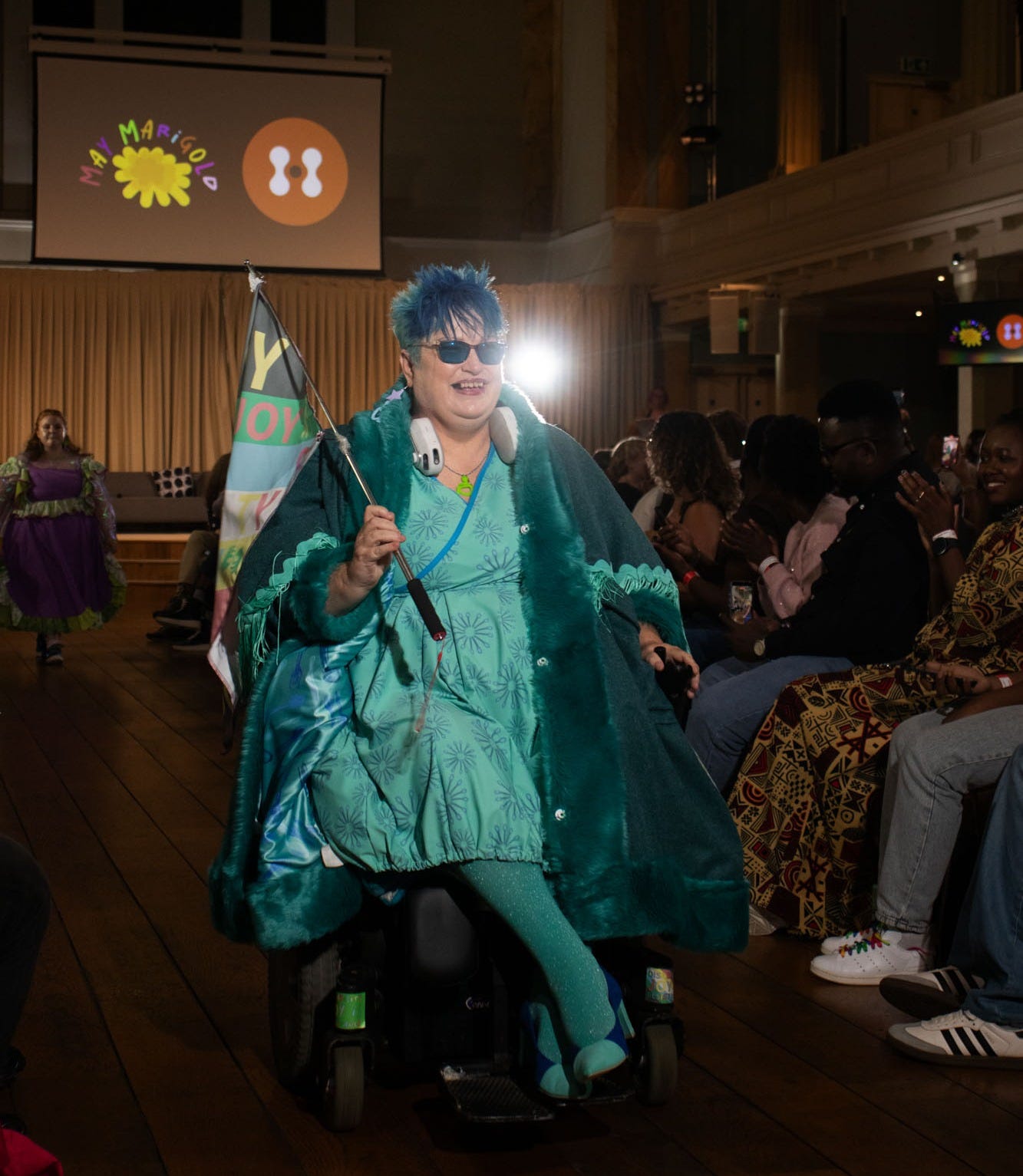
The runway show showcased exceptional brands redefining fashion through representation and bold design! From emerging talents of the Royal College of Art and Central Saint Martins to global names, the Future of Fashion runway celebrated creativity and identity.
Designers on the Runway:
Blush by Hannie
Meet the Organizer: Bullock Inclusion
Founded by entrepreneur, activist, and parathlete Samanta Bullock, Bullock Inclusion CIC is a UK-based social enterprise championing disability inclusion through initiatives in fashion, sport, and wellbeing. With Future of Fashion, the show transcends the typical; it’s a call to action. Featuring inclusive models, adaptive design, and global voices, it confronts stereotypes and expands fashion’s role in society.